Architecture
Light is the first material an architect works with, and the only one that is free. Before choosing a single finish, we study how the sun crosses the site through the day and across the seasons — because a room’s comfort, energy use and even mood are set by that path.
As a rule of thumb, north light is soft and constant and suits studies, kitchens and workspaces; south light is generous and warm and belongs in living areas; east light wakes bedrooms gently; and harsh west light is best filtered with deep overhangs, louvres or planting. Getting orientation right costs nothing and pays back every day the building stands.
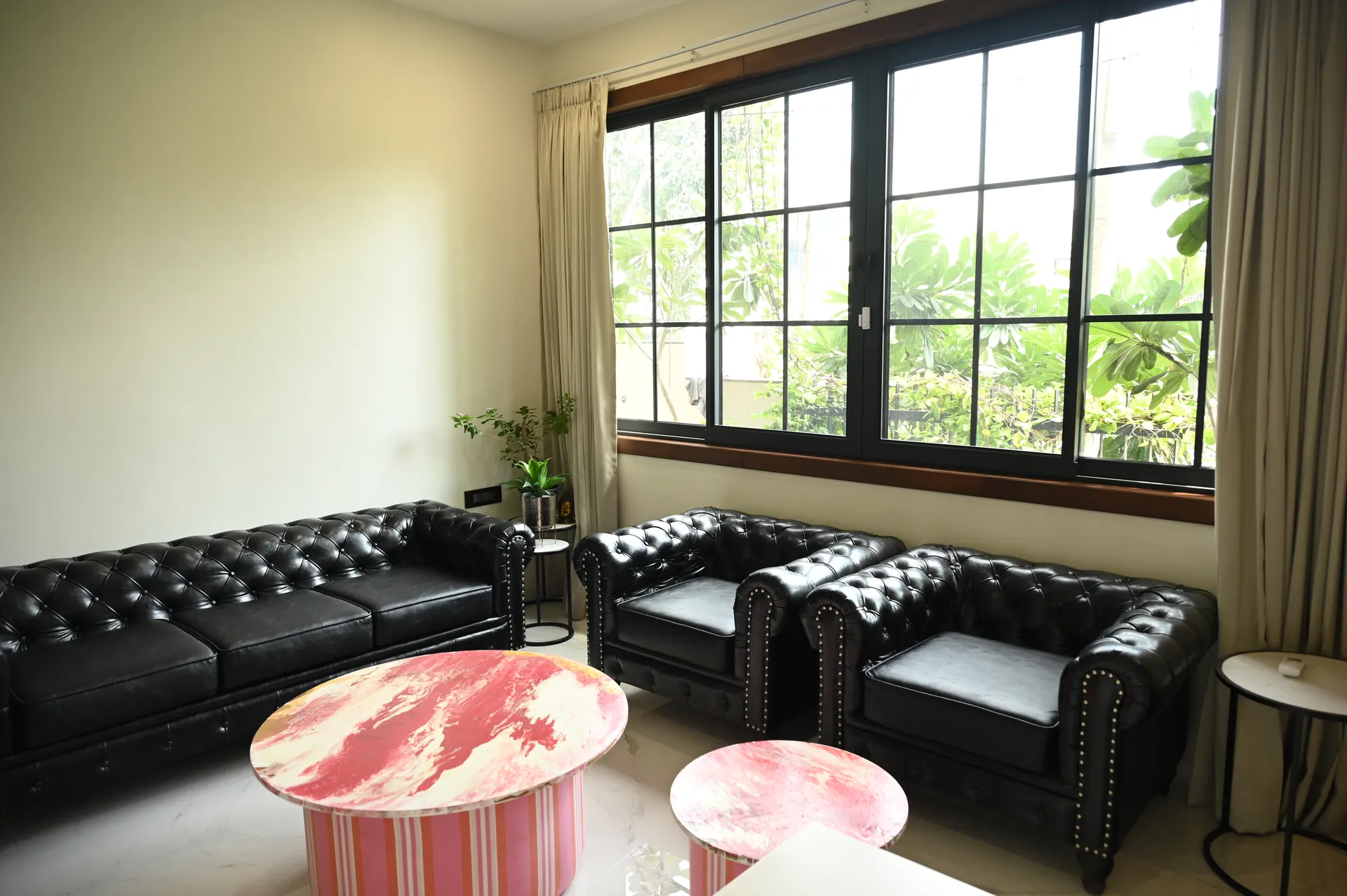
Aperture matters as much as direction. Tall, narrow windows push light deep into a plan; clerestory and skylights wash walls from above without glare; and a window placed beside a perpendicular wall bounces light softly across the room. Pair glazing with the right glass — low-E coatings and shading cut heat while keeping the view.
Finally, let interior surfaces carry the light. Matte, pale walls diffuse it; a single reflective plane can pull daylight further than any fixture. Handled well, natural light means a home that needs the switch flicked far later in the evening — calmer to live in, and cheaper to run.